
The range of local industries
When people think about employment in International Falls, they often begin with the industries that have historically shaped the region: forest products, paper, transportation and cross-border commerce. Those sectors remain important to the identity of the Borderland, but the actual job market is broader. A useful way to plan a career here is to think in skill groups instead of assuming there is only one local industry worth pursuing.
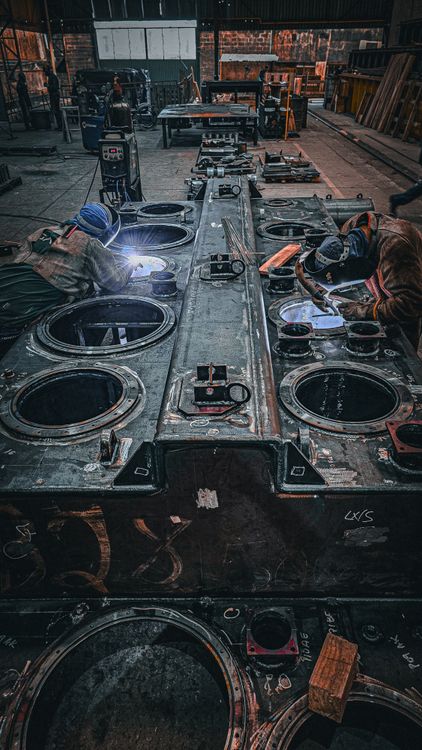
Industrial and maintenance work is one major group. Manufacturing, production, equipment operation, mechanical repair, facility maintenance and skilled trades all depend on people who can work safely, follow procedures and solve practical problems. A candidate who has repaired vehicles, operated machinery, maintained buildings or worked around industrial equipment may have more options than a narrow job title suggests. Certifications can help, but documented experience and a strong safety record also matter.
Transportation and logistics form another important group. International Falls sits on a border and within a large rural region where moving people, products and materials is essential. CDL drivers, delivery workers, equipment operators, warehouse employees and material handlers all support that movement. For job seekers, driving records, endorsements, equipment experience and dependable attendance can be valuable credentials.
Service and public-sector opportunities
Healthcare and human services provide a different kind of stability. Hospitals, clinics, care organizations and community programs need both licensed professionals and support staff. Direct-support, scheduling, administration, billing, maintenance, food service and other operational roles can all exist around healthcare even when a worker does not have a clinical credential. People who communicate clearly, document accurately and treat others respectfully often have skills that transfer well into these environments.
Education, government and nonprofit work are also meaningful parts of a smaller regional economy. Schools, county and city services, community organizations and public-facing programs need people who can organize information, serve residents, manage facilities and keep programs running. These jobs may emphasize reliability, documentation, customer service and familiarity with local needs.
Tourism, hospitality and retail add another layer. Rainy Lake, Voyageurs National Park, fishing, winter recreation and regional travel create demand that can fluctuate by season. Restaurants, lodging, shops and visitor-related businesses may need workers quickly during peak periods. Seasonal work can be a deliberate strategy: it can generate income, build recent references and create a bridge into a permanent opportunity.
Make your skills work across sectors
The practical lesson is that International Falls job seekers should inventory what they know how to do. Can you troubleshoot equipment? Drive commercially? Work with customers? Use spreadsheets? Handle cash? Cook in volume? Lead a shift? Document care? Manage inventory? Those abilities are often more useful than the label on your last position. Express Employment Professionals can help translate that experience across industries and identify openings where your existing skills make sense, even when the next job looks different from the last one.
Seasonality also connects these sectors. A worker might move from summer hospitality into winter industrial or maintenance work, or use a temporary assignment to gain a recent reference before pursuing a permanent position. In a smaller labor market, that kind of flexibility can be an advantage. The important point is to keep an accurate record of the skills gained in each assignment so the next employer can see continuity rather than a collection of unrelated jobs.