
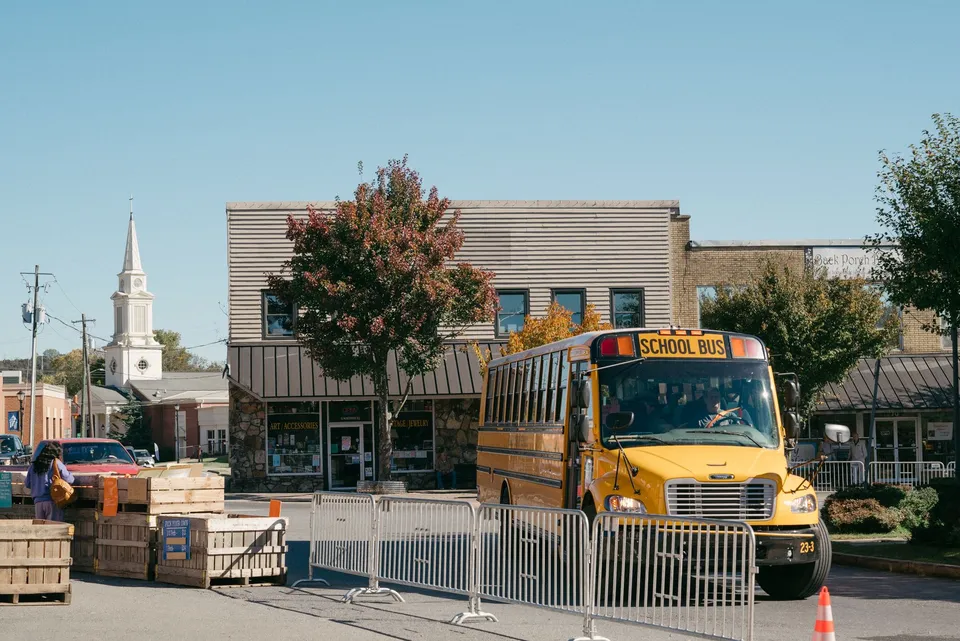
Before the first bell rings, International Falls School District 361 is already doing work that looks a lot like household management. Its public site points people to new enrollment, registration, transportation and busing forms, dining information, and employment opportunities, and the district office sits at 1515 11th Street in International Falls. The district also operates Falls Elementary and Falls High. That is a school system, but it is also a front desk for everyday life.
That matters because International Falls is not a big, churn-heavy metro where one schedule can absorb a lot of disruption. The city’s latest Census estimate was 5,481, and 27.7% of residents were 65 or older, while 17.5% were under 18. Average household size was 1.84 people. In a place with that age mix and household size, the school calendar is not just for parents with kids; it can shape how grandparents help, how caregivers plan rides, and when working adults can accept shifts. That is an inference from the demographics, but it is a useful one.
The district also matters because it creates jobs and entry points. The school system’s public presence includes employment opportunities, and local reporting on the area notes that the district helps supply the pipeline for custodial, food service, coaching, transportation, paraeducator, and teaching jobs. Those roles are not flashy, but they are the jobs that keep a school day moving and often give residents a first step into steady public employment. In a small labor market, that kind of work can be a bridge between a first schedule and a long-term career.
The practical value for newcomers is simple: the district can reduce the friction of moving. If a family arrives for a new job, the public site gives them a place to start with registration, school bus planning, lunch information, and staff openings instead of forcing them to piece together the basics from scattered phone calls. That is especially useful in a city where many households have lived in the same place for a while, because a newcomer often has to learn the local routine faster than the neighborhood does. The 2020-2024 same-house rate was 84.7% in the city, which helps explain why routine and reliability matter so much here.
The district is also part of a wider support network, not an isolated campus. Rainy Lake Medical Center lists clinic hours in International Falls, Littlefork clinic hours, and Rainy Lake Pharmacy hours that include Saturday mornings, while the International Falls Public Library lists regular hours and a legal-aid kiosk in its meeting room. Put together, those institutions show how a small city becomes workable: school paperwork, medical access, and public information all sit close enough to fit into ordinary errands. For a working family, that can be the difference between feeling settled and feeling stretched thin.
For employers, the same structure is worth paying attention to. When school enrollment, busing, and dining information are easy to find, families can get settled faster, which usually means fewer first-month disruptions and fewer missed shifts. School-related schedules also affect who can take early, late, or split shifts, so the district is part of the labor market even when it is not part of a company’s payroll. If you are hiring in International Falls, you are not only competing on wages; you are competing with the practical ease of family life.
That is why the school district is worth understanding before someone accepts a job or plans a move. It is one of the clearest signs of how local life actually works: public services are visible, institutions are close together, and the same page that helps a parent enroll a child may also help a job seeker find a way in. If you want a broader local picture after that, pair the district site with community resources so the first school morning and the first workweek line up a little more smoothly.